Can You Read Cursive? Transcribing NYC Municipal Archives’ “Slavery Archives”
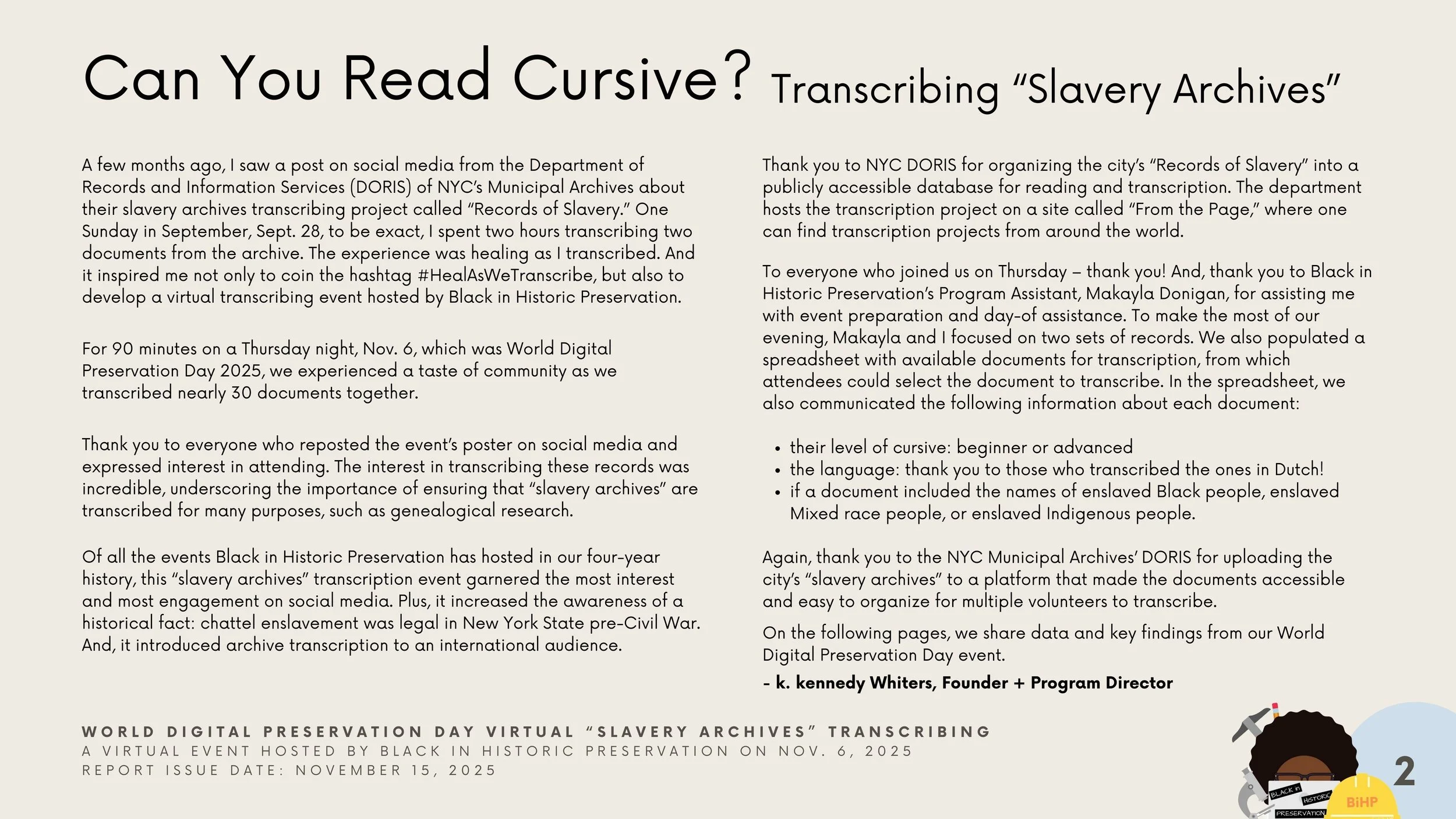
Thank you to everyone who joined us and for the international interest in transcribing “slavery archives!”
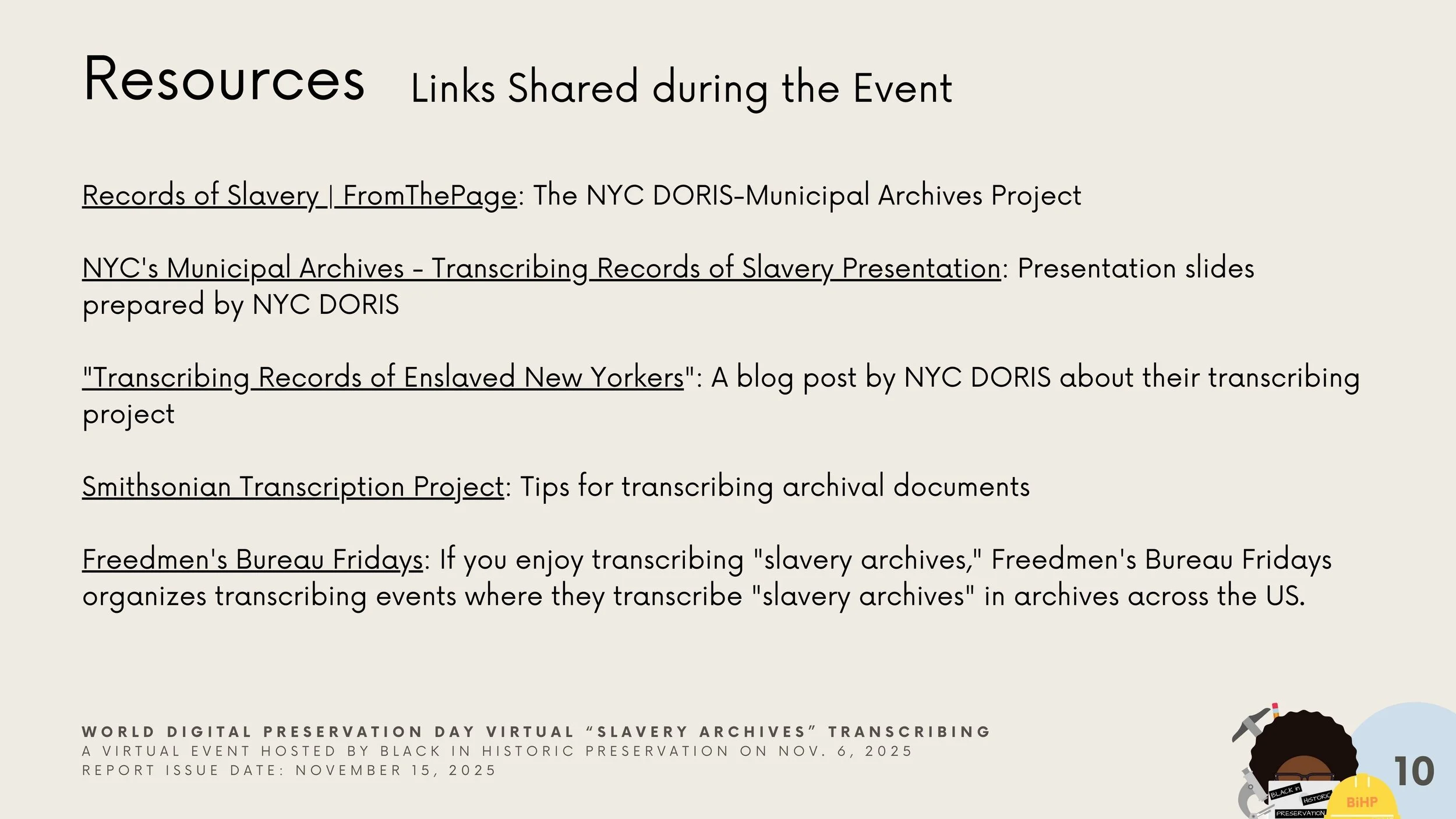
The event report includes resources and links to help you transcribe archives on your own. And, sign-up for our e-news to receive updates about our next event: click here.
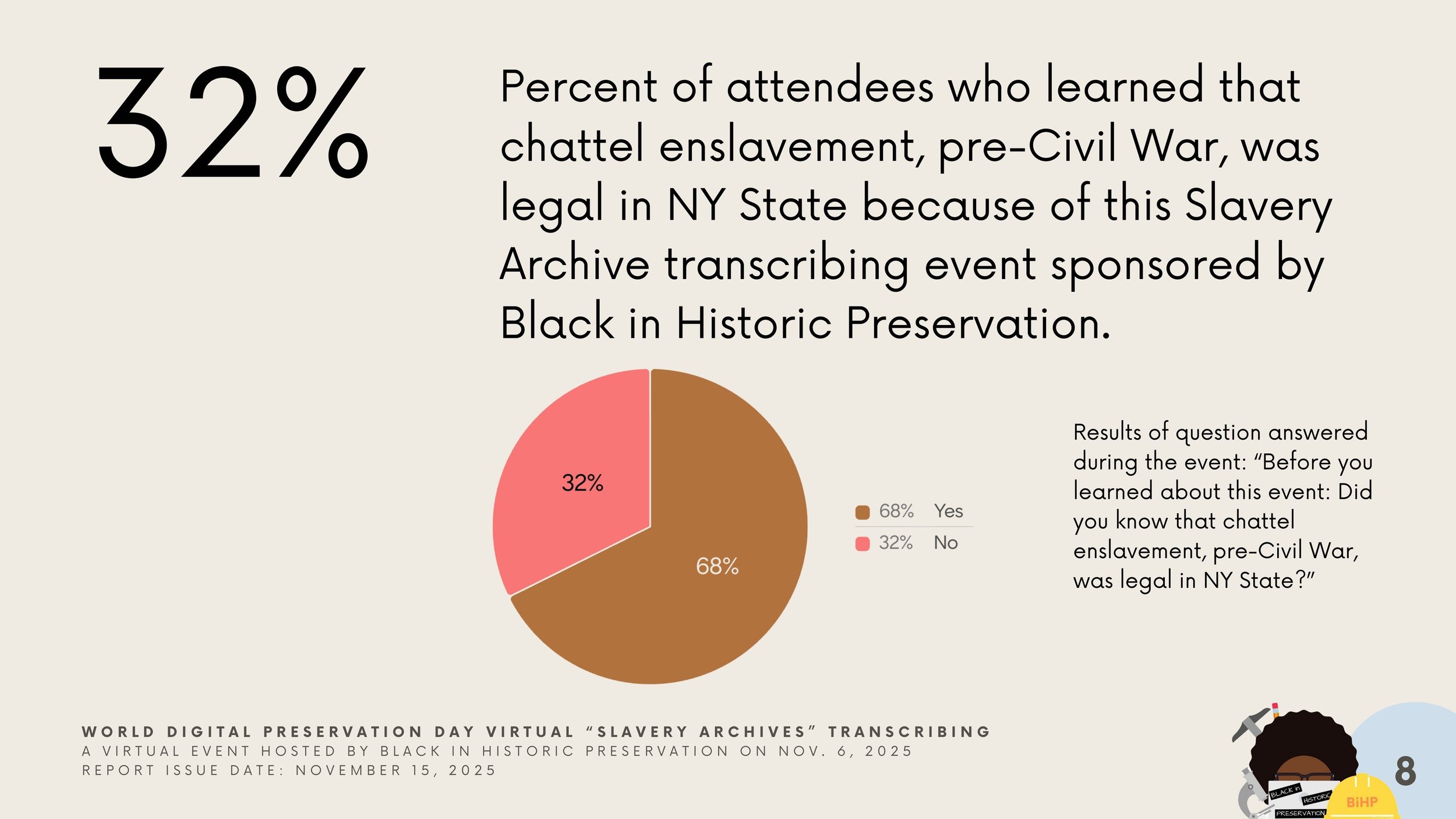
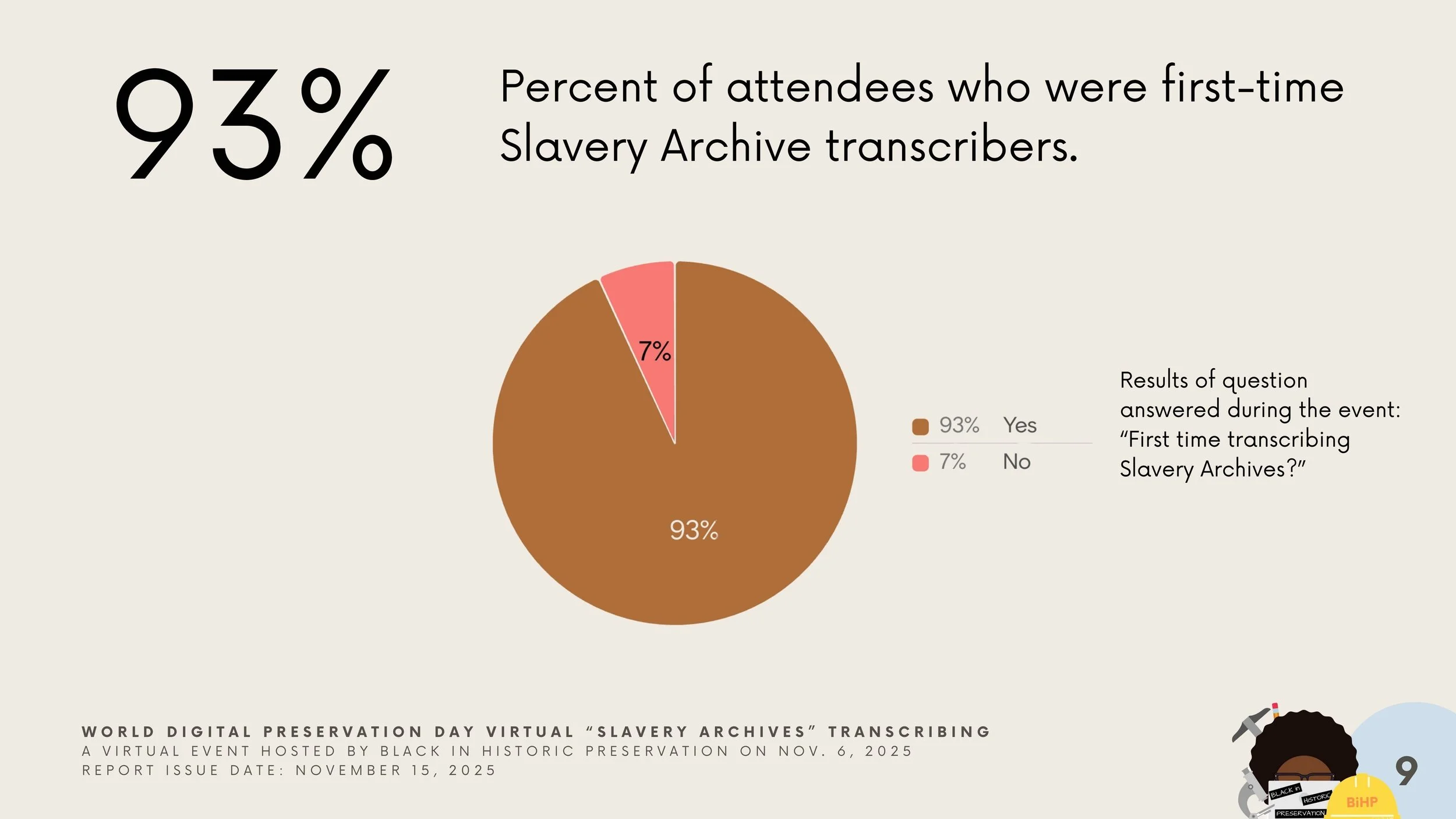
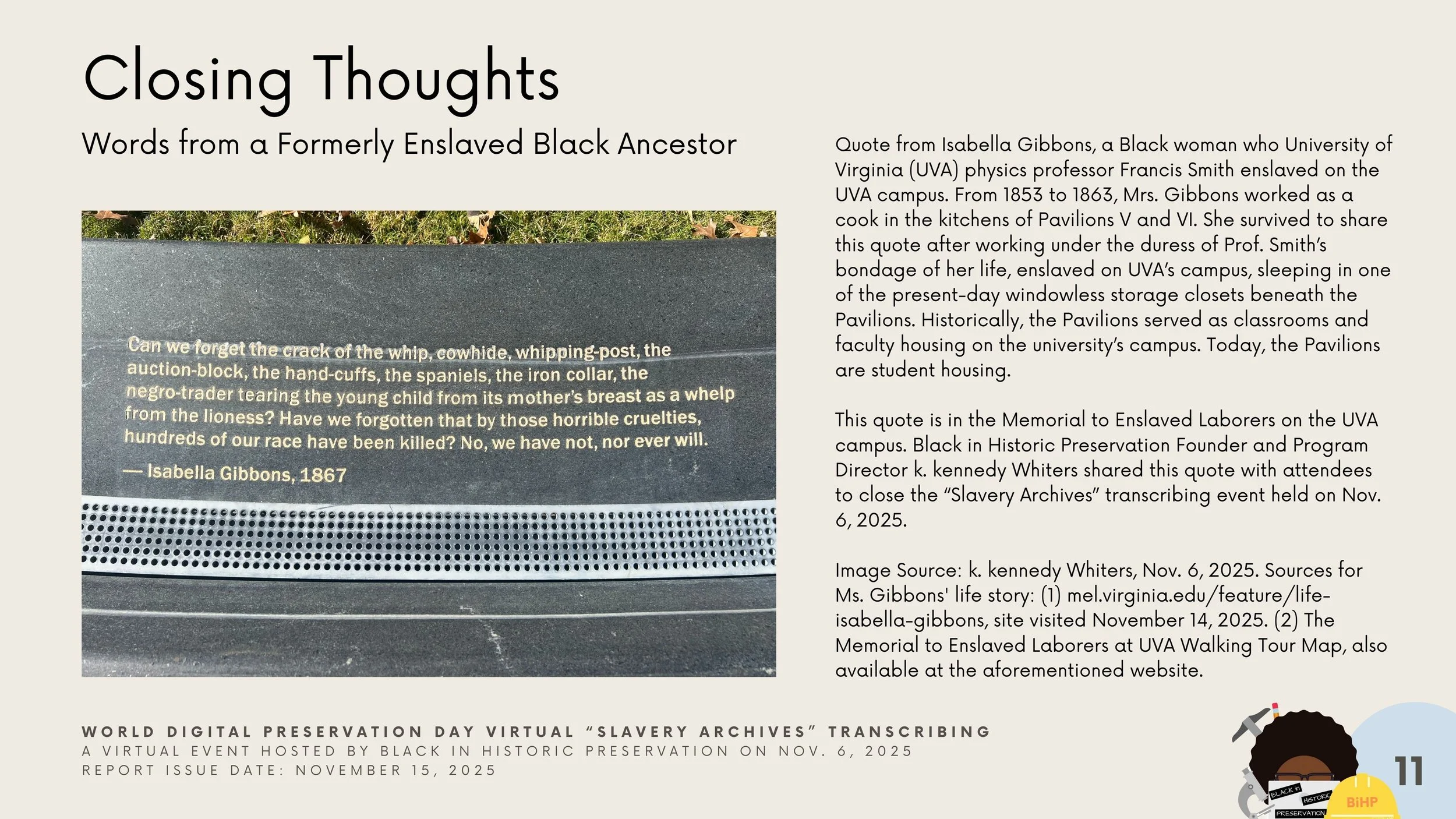
Event Description
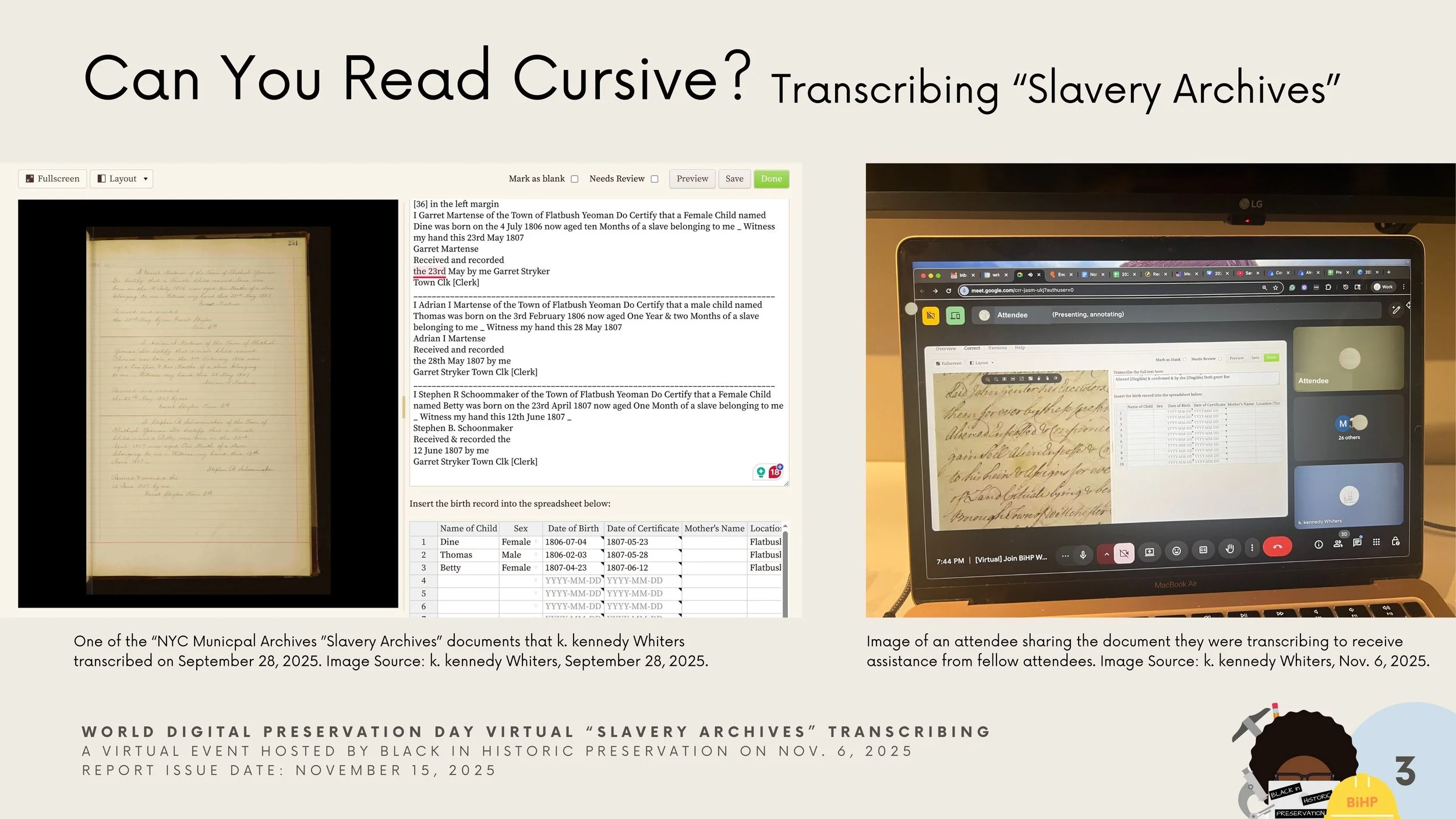
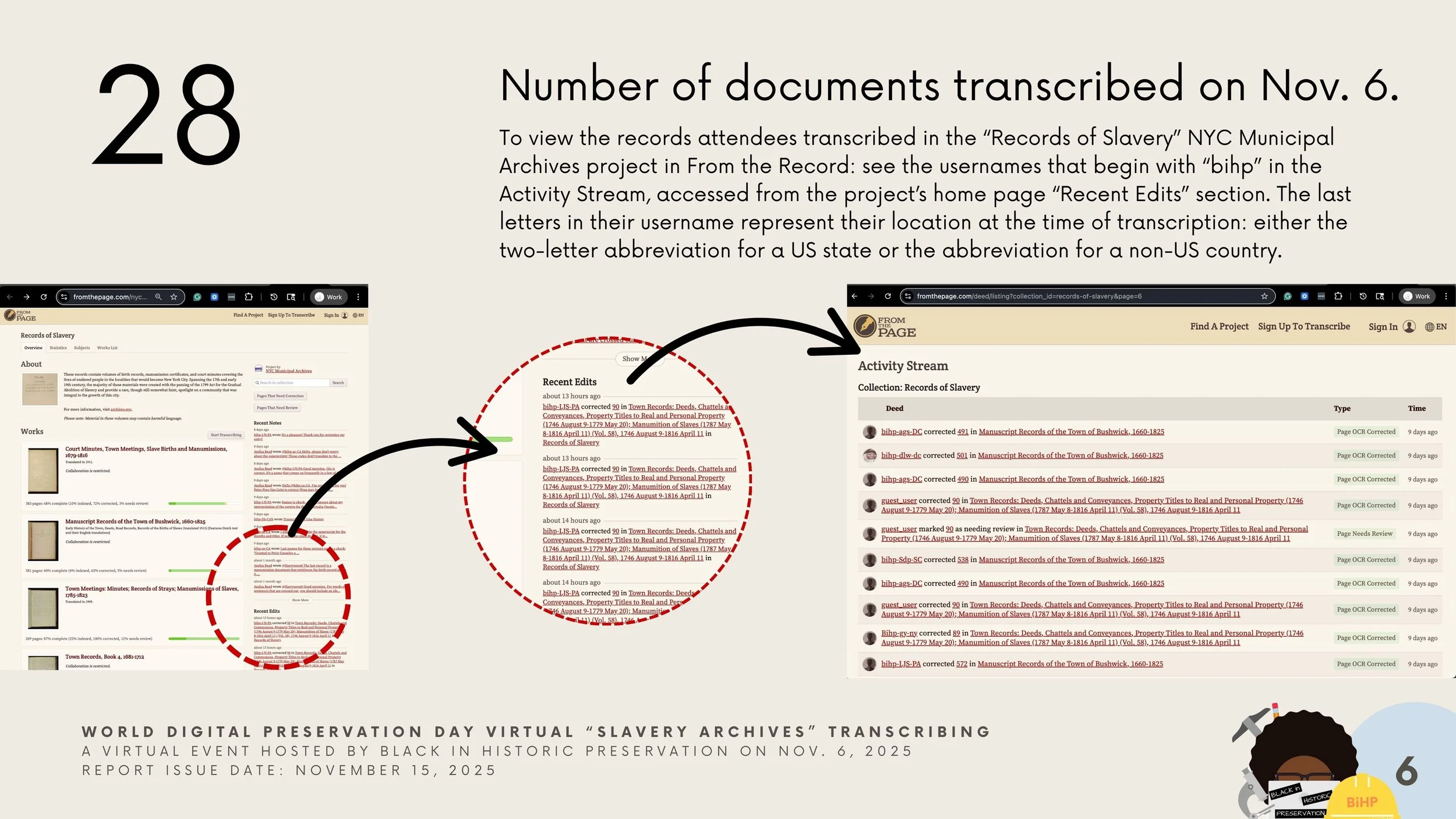
Join Black in Historic Preservation as we transcribe “NYC Slavery Records” for the NYC Department of Records and Information Services’ (DORIS) Municipal Archives.
The description of NYC's Records of Slavery project from NYC's Municipal Archives:
"The Department of Records and Information Services invites volunteers to transcribe recently digitized documents of enslaved people. Spanning from 1660 to 1838, the records contain birth records, manumission certificates, and court minutes detailing the lives of enslaved people in the localities that would become New York City. The majority of these records were created with the passing of the 1799 Act for the Gradual Abolition of Slavery [in New York State] and provide a rare, though still somewhat faint, spotlight on a community that was integral to the growth of the city."
Please note: Material in these volumes might contain language that some people might perceive as harmful.
What will you do?
Transcribe a minimum of one document. Most are less than one page long.
And, if you know how to read Dutch, even better! The majority of the Dutch documents need transcription.
Who is this for?
For descendants of enslaved Black people, preservationists, community advocates, cultural workers, historians, archivists, and anyone interested in reading primary sources about chattel enslavement in the US, especially in New York City.
This event is a virtual event hosted by Black in Historic Preservation, not hosted by NYC DORIS.